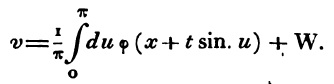
Some time ago, on Google Books, I happened to run across this volume of a journal,
https://books.google.ca/books?id=FvU7AQAAMAAJ
and noticed, in a paper in the second of two volumes bound in the tome (volume 8), equations like this:
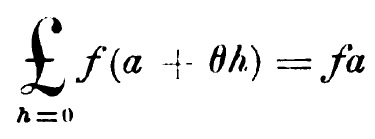
It turns out that the British pound sign, being a stylized L for "librum", was here used instead of the usual abbreviation "lim" for limit.
Somewhat later, out of curiousity, I looked for examples of the early development of the integral sign, and I found out that its very first use was in the paper in which Leibnitz explained this newfangled thing called calculus. It was signed "G. G. L." - Wilhelm was Latinized to Giugielmo, as in Marconi, and it was signed by his initials since he was one of the founders of the journal, Acta Eruditorum, in which it was published.
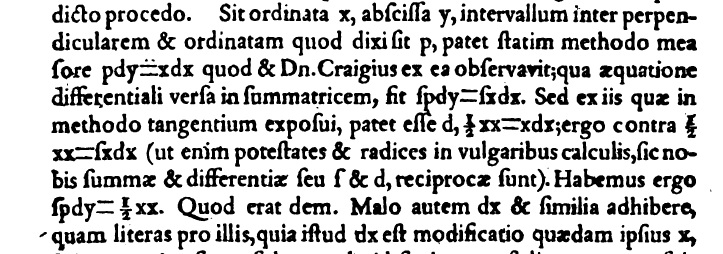
This was from July, 1686. Note that while the long s was indeed used as a symbol with the meaning 'summation', it was a normal Roman long s rather than an italic long s in its first appearance.